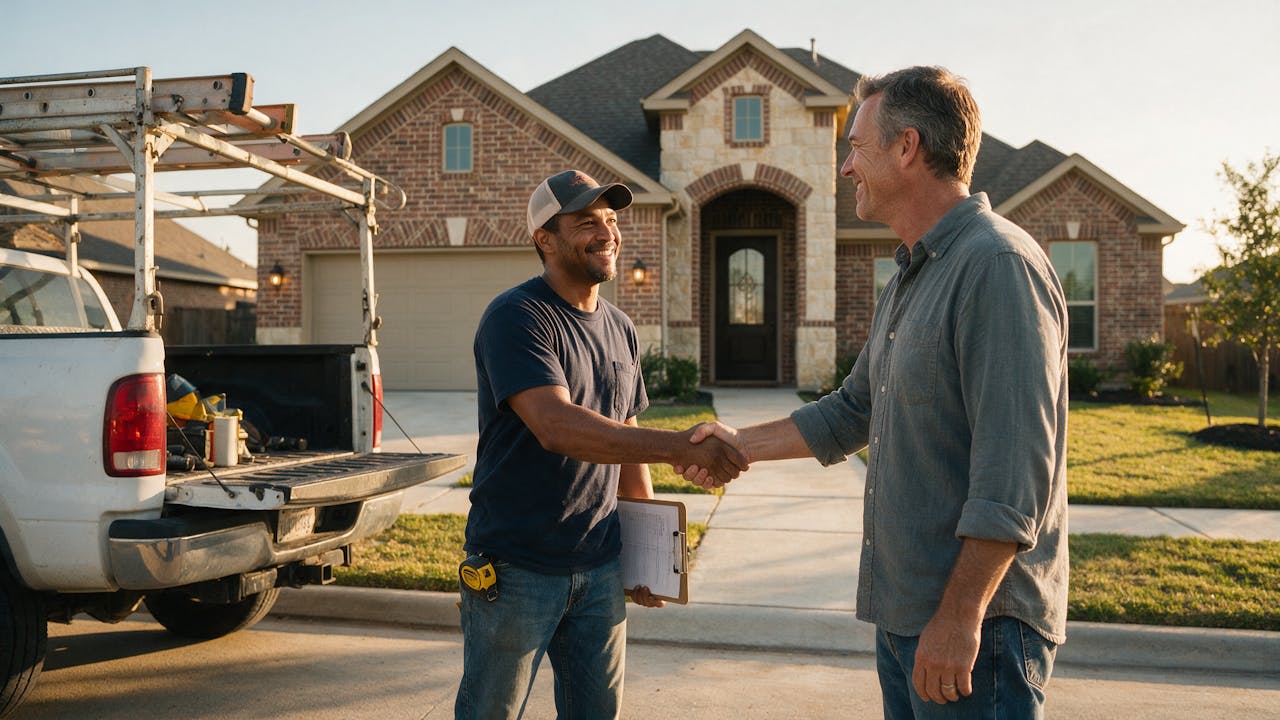
A Selbor crew leader shaking hands with a homeowner outside a finished home

Why us

Three ways this usually goes wrong.

We’d rather show you what we’re competing against than tell you we’re the best.

Tell the truthCommunicateOwn the problemDo it rightTake care of peopleBuild the relationship

Failure one

The company that shows up after the storm.

After a serious hail event, North Texas fills up with people knocking on doors. Some are legitimate. Many are not.

The pattern is recognisable: they arrive within days of the storm, they want a signature before your insurer’s adjuster has been out, they talk in terms of “getting your roof paid for,” and by the time a flashing detail fails two winters later, the phone number doesn’t work.

We’re a local family company. We’re not going anywhere, which means we have to live with everything we install.
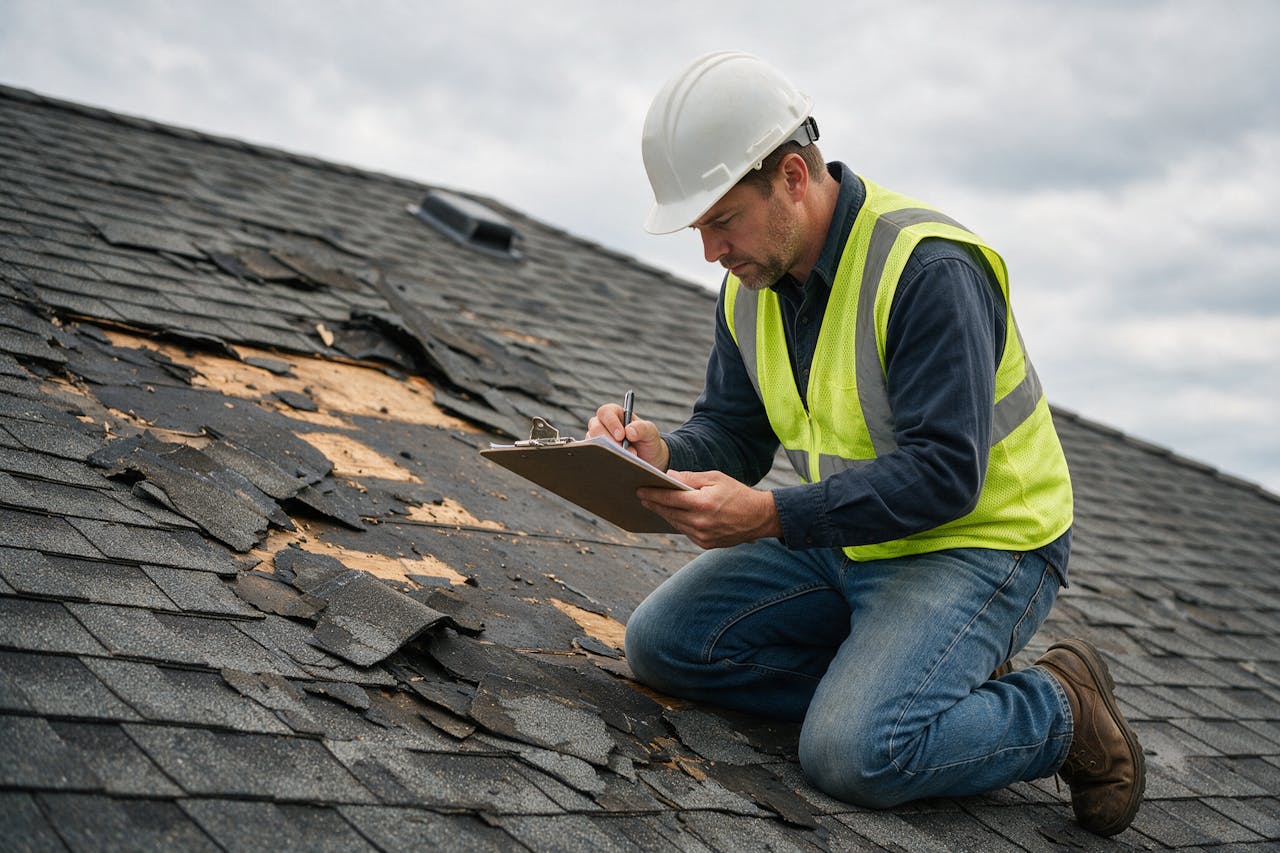
What we do instead: we’ll look at your roof and tell you honestly whether there’s storm damage worth claiming. Sometimes there isn’t. We’d rather say so than help you open a claim you don’t need.
A roof inspector kneeling on a damaged roof, writing his findings on a clipboard
Written scope, photographed conditions. You can check our work against it.
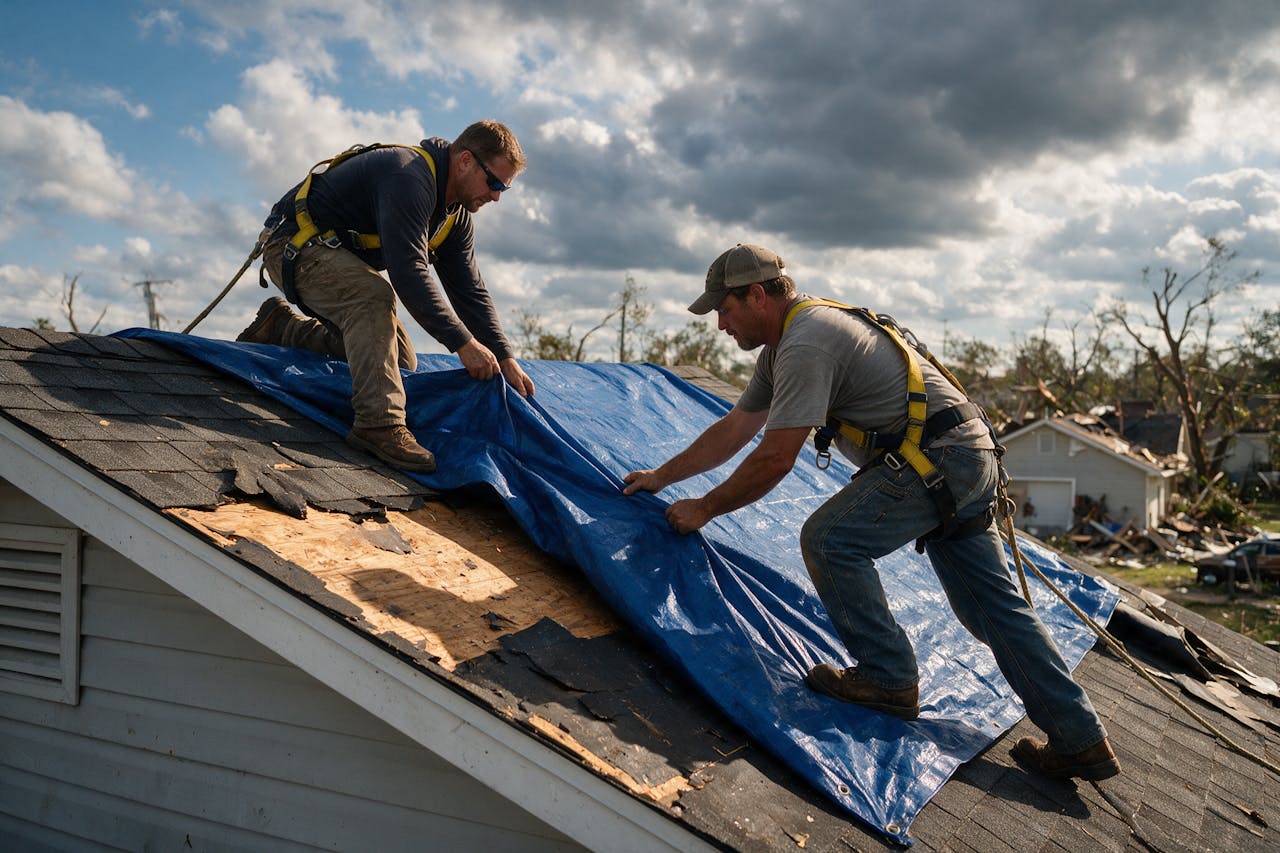
Two roofers securing a tarp over storm damage on a residential roof
We answer the emergency call whether or not it turns into a large job.

Failure two

The company that dries it out and disappears.

Most water-damage work in this market is structured as mitigation: extract, dry, dehumidify, remove equipment, invoice. It’s a legitimate business and it’s often done well.

The problem is that it stops at exactly the point where you still have a hole in your house. Then you’re the one holding a half-open insurance file, trying to find a second company to do the rebuild, and reconciling two different accounts of what’s covered.

What we do instead: mitigation and reconstruction, one company, one accountability chain. If something was missed during dry-out, it’s still ours at paint.

Failure three

The company that won’t call you back about a small job.

A lot of good remodelers have quietly decided small work isn’t worth the overhead. You find this out by leaving three voicemails about a leak nobody returns.

What we do instead: a $100 repair gets the same phone call as a $500,000 renovation. We don’t qualify people by project size — partly because it’s how trust gets built, and mostly because someone with a small problem is still someone with a problem.

The Homeowner Bill of Rights

What you’re entitled to expect.

When you let us into your home you’re trusting us with your house, your money, your time and your peace of mind. So here’s what you have a right to.

HonestyThe truth about what we see, what we recommend, and what we don’t know.
Understanding the workBefore we start, we explain the work, the expectations, the foreseeable complications, and the costs.
CommunicationYou shouldn’t have to chase us to find out what’s happening in your own home.
Knowing when the scope changesSometimes extra work is yours to pay for. Sometimes it isn’t. Either way you hear it from us, honestly and promptly.
AccountabilityProblems happen. What separates companies is what happens next.
Our mistakes made rightWhen we’re responsible, we take responsibility — including financially where that’s appropriate.
Quality workmanshipOur people are expected to ask whether they’d accept this in their own home.
Being treated like a friendYou aren’t a job number.
Your project size not determining your importance$100 or $500,000.
A relationship beyond the projectIf you need us again, we want you to call.

Judge us against that list.

If we fall short of it, we want to hear about it while we can still fix it.